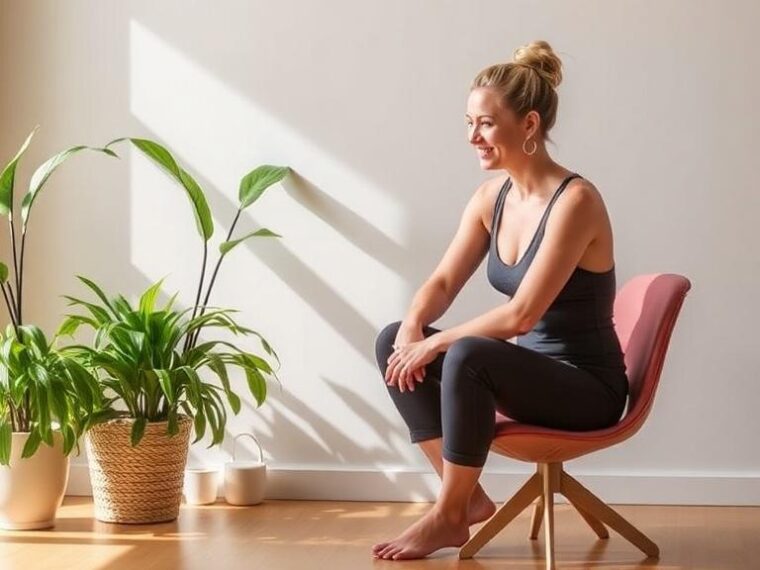
Across a busy day, we sit far more than we realize. It’s not just a posture problem; it’s a metabolic, cardiovascular, and mental health challenge that quietlly shapes our well-being. This article dives into why sedentary behavior can feel like a health drag, and how small, practical changes can tilt the balance back toward vitality.
Deriving its own tense energy from daily routines, the idea behind Warum sitzen unser größter Gesundheitsfeind sein kann has circulated in health discussions for good reason. In pursuit of better health, many people focus on workouts alone, but the hours spent seated may undermine those efforts more than a single gym session can compensate for. My aim here is to explain what sitting does to the body, why it matters, and how you can rewire a portion of your day without turning your life upside down.
The physiology of sitting
To understand the impact of long stretches of sitting, we need to start with biology, not vibes. When you’re upright and moving, your muscles burn calories at a steady clip, your blood flow supports oxygen delivery, and your body’s chemical signaling stays in a relatively tidy rhythm. When you sit for hours, energy expenditure drops dramatically, and metabolic processes designed to handle food and fats slow down.
Muscle inactivity is a core piece of the puzzle. Even small movements—shifting weight, standing up briefly, walking to grab a coffee—keep the muscles engaged enough to help regulate blood sugar and lipid levels. Prolonged sitting dampens the activity of enzymes like lipoprotein lipase, which helps clear fats from the bloodstream, so waiting on the next meal or snack can lead to steadier post-meal blood sugar and fat levels rising outside healthy ranges.
Alongside metabolic shifts, sitting affects circulation. The longer you remain seated, the more blood pools in the legs, and the heart has to work differently to push blood back toward the core. Over time, this can contribute to higher blood pressure and reduced vascular flexibility. It’s not that a single hour is catastrophic, but the cumulative effect of countless hours creates a pattern that health professionals pay attention to.
The health risks tied to sedentary behavior
Across large populations, researchers consistently find that extended sitting is linked with higher risks of obesity, type 2 diabetes, cardiovascular disease, and even certain cancers. The association is most robust when sitting is combined with low overall physical activity, but long sedentary periods alone have shown independent links to negative outcomes. The message is nuanced: movement matters, and the absence of movement matters even more when compounded over months and years.
One key point to keep in mind: many studies describe associations rather than airtight cause-and-effect proofs. Nonetheless, the consistency across diverse groups—office workers, students, caregivers, and retirees—strengthens the case that sitting can undermine health in meaningful ways. For anyone who worries about time, these findings don’t demand heroic workouts; they invite feasible, daily adjustments that accumulate over time.
There’s a growing emphasis on non-exercise activity thermogenesis (NEAT)—the calories you burn through daily actions outside formal workouts. NEAT can be dramatically suppressed in sedentary settings, and even modest boosts can meaningfully shift metabolic health. In practical terms: standing more, walking short distances, and moving during breaks may collectively reduce risk more than a single gym session done weekly.
The role of context: work, home, and leisure
Our days unfold in rhythms dictated by context. An office job, a commute, and a screen-first hobby all reward a seated habit. The chair becomes a default setting—comfortable, familiar, and oddly invisible until someone points out the cost. When your environment is designed around sitting, small changes can feel like a rebellion, but they’re precisely what we need to rewire habits over time.
Home life adds another layer. Evenings spent on the couch or in front of a TV can quietly erode energy balance if not offset by movement elsewhere. The trick isn’t a dramatic life overhaul; it’s fusing movement into routines you already perform. A few deliberate shifts—standing while talking on the phone, taking a quick walk after meals, or choosing a bike ride for errands—start a cascade of beneficial effects that ripple through daily life.
Leisure time, often the most flexible part of the day, offers fertile ground for change. It’s tempting to treat free hours as a time to decompress with passive activity, but layering in light, enjoyable movement can make a big difference. Think: a weekend hike, a family playground visit, or a playful, accidental walk-and-talk during a long chat. These moments demonstrate that movement and rest aren’t mutually exclusive; they can coexist in a balanced rhythm.
Practical strategies to reduce sitting

If you’re ready to tilt the balance toward more movement, start with simple, sustainable steps. You don’t need to transform every minute of your day at once. Small, intentional changes multiply over weeks and months, creating a healthier baseline without forcing a complete lifestyle overhaul.
First, embrace micro-breaks. Aim to stand up and move for at least a few minutes every 30 to 60 minutes. That brief interruption can re-energize circulation, reset posture, and give your brain a fresh spark. If your schedule is stubborn, set a gentle alarm or use a reminder app to nudge you toward movement without becoming a distraction.
Second, optimize your work setup. A sit-stand desk, when used thoughtfully, can cut total sitting time. Start with alternating between sitting and standing every 30–60 minutes rather than standing the entire day. Pair posture changes with movement—rotate ankles, march in place, do light lunges near your desk. Small actions compound into meaningful health gains.
Third, integrate movement into daily rituals. Walk-and-talk meetings, short hallway strolls, or quick stair climbs can replace sedentary patterns with purposeful activity. If you have a long commute, consider parking farther away or stepping off public transit a stop earlier to stretch your legs. The aim is to weave movement into the fabric of your day, not to add a separate workout strain.
Fourth, diversify the activities you enjoy. Some people thrive on structured workouts; others prefer infused movement—dancing with family, gardening, or playful activities with kids. Movement should feel rewarding, not punitive. When you enjoy the activity, you’re more likely to repeat it consistently.
Practical tools and options
To help you implement these ideas, here are concrete options that fit different lifestyles. A combination works best: you don’t need to pick one path and stay on it forever. The goal is to gather momentum with multiple, accessible strategies that you can rotate through as needed.
For the office: consider a good chair with lumbar support, a monitor at eye level, and a keyboard position that keeps shoulders relaxed. A timer or app can prompt you to stand and stretch every half hour. If possible, place a water bottle and a snack near your standing area to encourage movement as you reach for refreshments.
For home and leisure: a lightweight ankle or leg band, a lightweight resistance band for simple exercises, or a sturdy pair of walking shoes can make incidental movement easy to do. Schedule a family “movement hour” on certain days where everyone commits to a low-intensity activity that’s enjoyable for all ages. These rituals build a culture around movement rather than treating it as a chore.
Table: quick strategies for different contexts
| Context | Simple strategy | Notes |
|---|---|---|
| Office | Stand during phone calls; short walking breaks | Alternate every 30–60 minutes |
| Commuting | Park farther away; get off one stop early | Plus a brief post-ride stroll |
| Home evenings | Active entertainment (dance, light yard work) | Replace passive screen time with movement |
| Meals | Walk after meals | Supports glucose control |
Building a daily movement plan
Consistency beats intensity when it comes to habit formation. A well-structured plan doesn’t require heroic effort; it embraces gradual, reliable shifts that fit your life. The following framework helps many people create a sustainable, movement-forward day without feeling overwhelmed.
Begin with a baseline: track your sitting time for a week and identify the worst offenders—moments when you slip into extended stretches with little interruption. Once you identify the patterns, you can insert micro-breaks or short activities at those points. It’s tempting to chase dramatic changes, but meaningful shifts often start with modest adjustments that you can repeat.
Next, design a flexible daily rhythm. For example, a day could involve a 20-minute morning walk, 15 minutes of light strengthening, a standing desk interval during work, a long walk after lunch, and a minimal but regular evening stretch. The exact mix isn’t as important as establishing a predictable cadence you can sustain over time.
Finally, build in accountability. Share your movement goals with a friend or colleague, use a simple checklist, or try a gentle challenge with a buddy. Small social commitments—like meeting for a 20-minute walk twice a week—create positive pressure to follow through while keeping the process enjoyable.
Real-life stories and experiences
I’ve spent years writing about health and wellness, and I’ve watched countless readers transform their routines through small, steady changes. One person I spoke with reclaimed energy by simply pausing every 40 minutes at work to stand, stretch, and walk for two minutes. The cumulative effect over a few weeks was a noticeable improvement in focus and mood, not to mention better glucose control after meals.
Another story comes from a friend who swapped the elevator for stairs and turned evening TV time into a quick neighborhood stroll with her dog. She didn’t set a lofty goal; she set a practical one: move more, worry less about how perfect the form must be. The outcome wasn’t a dramatic, publishable transformation, but a sustainable pattern that improved sleep quality and reduced afternoon sluggishness.
In my own experience, I’ve found that the hardest part is recognizing the unconscious habit loop. Once you catch yourself slipping into a chair-based default, you can intervene with a tiny, nonjudgmental move—stand up, walk, or stretch—and gradually those moments become less automatic and more intentional. The change feels less like discipline and more like choosing a better mood and energy for the day.
Debunking myths and potential concerns
People often assume that they can “make up for sitting” with a single, intense workout or that standing all day is healthier than sitting. The reality is more nuanced. A brisk 30-minute workout is valuable, but it can’t fully offset the effects of hours of sedentary behavior if the rest of the day remains still. Conversely, standing endlessly without movement can cause fatigue and discomfort, so balance matters.
Another common worry is time. If your schedule feels jam-packed, you might think you don’t have room for movement. Yet the smallest adjustments—stand during three phone calls, take a five-minute post-meal stroll, or stretch at your desk—add up. Movement is less about losing time and more about weaving energy and alertness into the hours you already have.
Some people worry that movement is complicated or requires expensive gear. The truth is far more forgiving. You can start with bodyweight moves, a short walk, and strategic posture changes. A well-chosen pair of shoes or a minimal, adjustable desk can help, but the core habit is consistency and smart integration into daily life.
The science behind the benefits of movement
Research consistently shows that breaking up sedentary time with movement improves insulin sensitivity and blood sugar control after meals, especially in adults at risk for metabolic disease. Even light-to-moderate activity—standing, slow walking, light household tasks—contributes to better metabolic health compared with long, uninterrupted sitting.
From a cardiovascular perspective, every interruption in sitting helps. Short, frequent movements improve endothelial function—the health of blood vessel linings—and can reduce resting blood pressure over time for some individuals. For mental health, movement can elevate mood, reduce perceived stress, and sharpen focus, creating a virtuous circle that reinforces the habit.
It’s essential to translate science into practical choices. The goal isn’t to chase perfect data or perfect form. It’s about building a daily pattern that invites movement as a natural, enjoyable part of life. When movement begins to feel like a treat rather than a task, you’ve crossed a meaningful threshold toward lasting health gains.
Putting it together: lifestyle, environment, and culture
Movement isn’t just a personal choice; it’s an environmental and cultural phenomenon. If your workplace or home rewards stillness, you’ll need to design countermeasures that feel doable within those constraints. This might mean negotiating a sit-stand desk arrangement, scheduling walking meetings, or reconfiguring common spaces to encourage movement rather than prolonged sitting. Small changes in the built environment can drive big shifts in behavior.
Beyond furniture and layout, social norms matter. A culture that devalues “taking a break” or views constant attention to a screen as a marker of productivity can silently endorse sedentary behavior. Leaders can model movement-friendly habits, and teams can celebrate step counts, walking breaks, or stretch sessions as legitimate, even desirable, parts of the workday. This is not about policing people; it’s about creating choices that support health without sacrificing results.
For individuals with chronic conditions or limited mobility, options should be tailored and inclusive. Even seated adaptations—chair-based leg lifts, upper-body mobility routines, and breathing exercises—offer meaningful benefits without demanding a level of physical capacity that isn’t feasible. The objective remains consistent: move more, sit less, and choose quality movement that fits your body and life.
Longer-term outlook: what sustained change can look like
Over months and years, deliberate reductions in sedentary time can translate into a lower risk profile for several chronic diseases and improved everyday functioning. You may notice better energy, steadier weight management, more consistent blood glucose control, and improved sleep quality. The benefits aren’t always dramatic in a single week; they accumulate as part of a daily habit that compounds over time.
It’s also worth noting that the fastest path to changing behavior is personal relevance. If you tie movement to a specific goal—feeling more energetic at work, playing with grandkids, or training for a town race—the daily practice gains meaning. When the activity you choose feels like a meaningful investment rather than a duty, consistency follows more naturally.
Ultimately, the body prefers a dynamic equilibrium. A life that alternates between moments of stillness and kinetic bursts is closer to what humans evolved to do than a life spent mostly seated. By reintroducing motion in diverse forms—standing, walking, stretching, and light resistance—you honor that biological history and set the stage for healthier years ahead.
In the end, the question isn’t whether sitting is inherently dangerous, but how you balance the day. A pragmatic plan values small wins, not grand gestures. If you can walk for ten minutes after lunch, stand while you discuss a project for part of the day, and finish with a few gentle stretches before bed, you’ve built a foundation that supports your heart, your blood sugar, and your mood. Movement isn’t a punishment for sitting; it’s a gentle invitation to live with more vitality, clarity, and confidence.